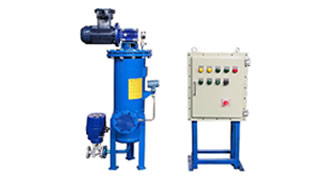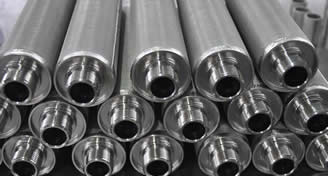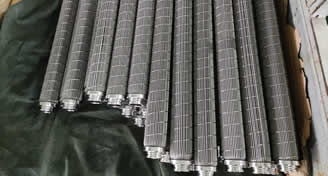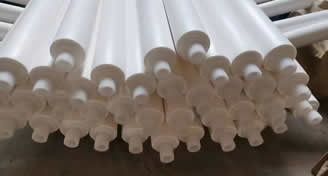
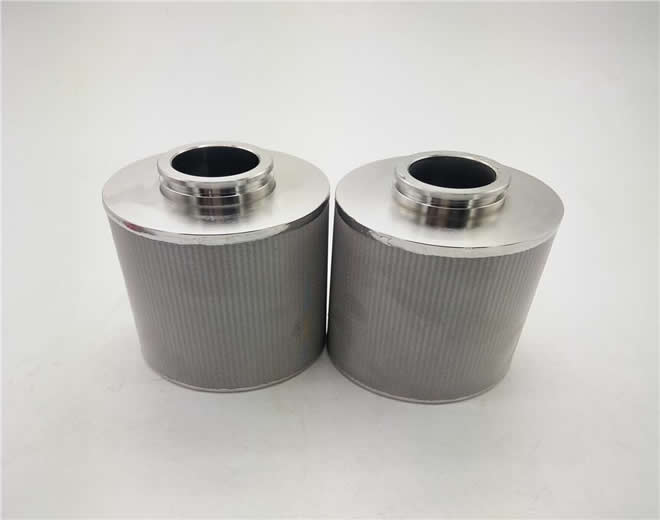
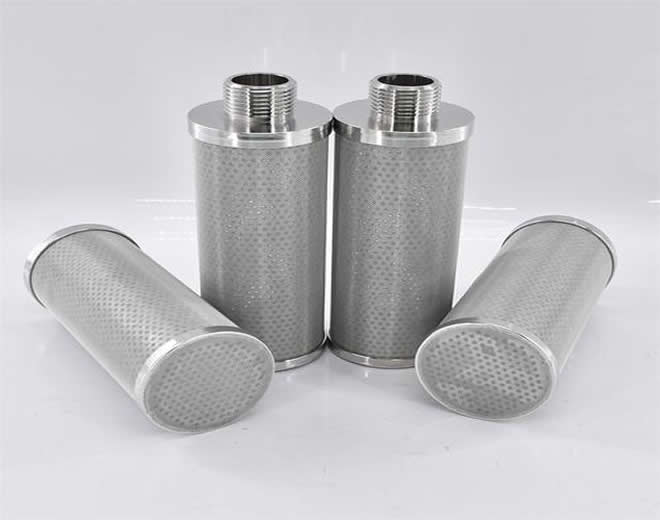
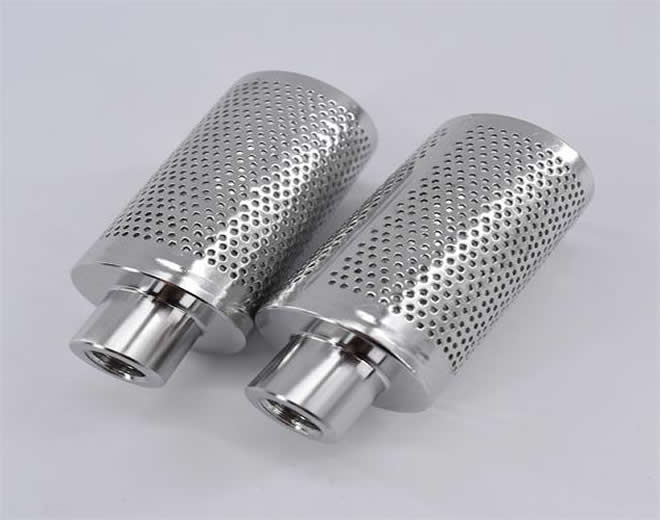
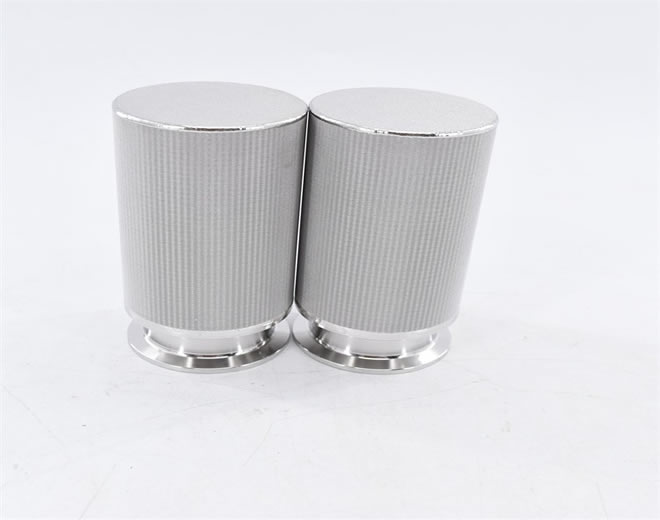
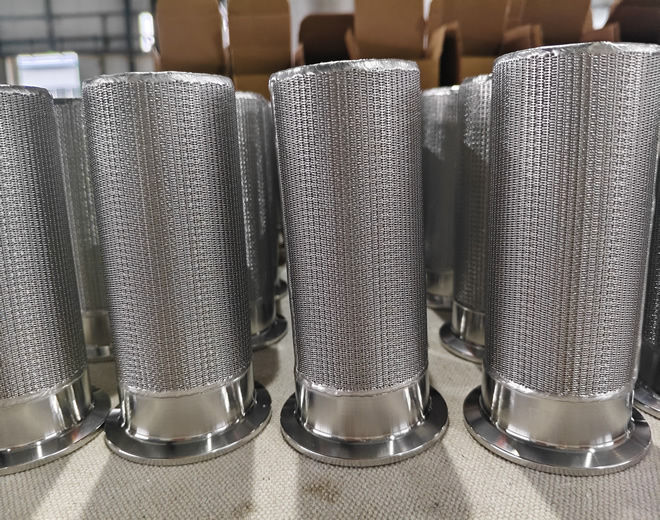
In the world of hydraulic systems, cleanliness is the lifeline. A metal shard finer than a human hair or a trace of varnish sludge can cause precision valve stiction, pump wear, or even catastrophic system failure. Serving as the indispensable first line of defense for hydraulic system reliability and longevity, the Micro Stainless Steel Hydraulic Oil Filter Element plays the critical role of a "Precision Guardian."
Compared to traditional cellulose or synthetic fiber filter media, stainless steel filter elements offer distinct material and structural advantages, making them the premier choice for demanding and harsh operating conditions:
Exceptional Mechanical Strength & Pressure Resistance: Constructed from high-strength stainless steel wire mesh or sintered fiber felt, they can withstand extreme pressure differentials and hydraulic shock without risk of media rupture or collapse, eliminating the danger of secondary contamination.
Superior Corrosion Resistance & Fluid Compatibility: Made from premium-grade stainless steel (e.g., 316L), these elements resist corrosion from various hydraulic fluid additives, water, and temperature fluctuations. They are fully compatible with all mineral oils, synthetics, and water-glycol fluids.
Reusable, Economical & Eco-Friendly: A key advantage is their cleanable and regenerable nature. Through ultrasonic cleaning, baking, or chemical methods, contaminants can be thoroughly removed from the surface and depth, restoring performance like new. This significantly reduces long-term operational costs and environmental impact.
Excellent High-Temperature Stability: Capable of long-term stable operation in high-temperature environments. The filter media will not soften or degrade due to thermal cycling, ensuring consistent filtration performance.
Multi-Layer Depth Filtration: Utilizes precisely engineered multi-layer sintered mesh or woven structures to combine surface and depth filtration, offering a dirt-holding capacity far exceeding that of surface-type filters.
Micro stainless steel filter elements primarily employ two advanced manufacturing techniques:
Multi-Layer Sintered Stainless Steel Wire Mesh: Multiple layers of stainless steel wire mesh with varying mesh counts are laminated and sintered together under high temperature in a vacuum. This creates a rigid, porous, three-dimensional labyrinth structure with gradient filtration efficiency. This is the leading technology for high-performance elements.
Stainless Steel Woven Wire Mesh: Precision-woven from ultra-fine stainless steel wires and welded onto a support core. This structure offers robustness and high flow capacity, and is easy to clean.
Typical Structural Components:
Filtration Layer: The core section where precision filtration occurs.
Protective Layers: Inner and outer support meshes or sleeves ensure structural integrity.
End Caps & Center Core: Typically stainless steel, providing structural support and ensuring proper sealing during installation.
Seals: Fluorocarbon or Nitrile O-rings, compatible with various fluids and temperatures.
Filtration Rating: Offers a wide range, from 1 micron to 100 microns. High-precision ratings like 1, 3, 5, and 10 microns are commonly used to protect critical components such as servo and proportional valves. Ratings are typically defined by absolute precision (βₓ≥1000).
Pressure Differential Characteristics: Feature very low initial pressure drop, which increases gradually as contaminant load increases, providing an extended service life.
Dirt Holding Capacity: Due to the depth filtration structure, their contaminant retention capacity is several times greater than that of surface filters of comparable size.
Operating Pressure: Standard elements withstand 1-32 MPa, with special designs available for higher pressures.
Operating Temperature: Standard range from -30°C to 200°C.
Micro stainless steel filter elements are specifically designed for space-constrained, high-demand applications:
Pilot & Control Circuit Filtration: Installed upstream of sensitive components like servo valves, proportional valves, and pressure-reducing valves to ensure ultra-clean fluid.
Return Line Filtration: Captures wear particles generated during system operation, a critical control point for overall system cleanliness.
Off-Line (Bypass) Filtration: Serves as a standalone filtration unit for continuous tank fluid conditioning.
Fill Line Filtration: Ensures that new fluid added to the system is clean and contaminant-free.
Key Equipment: Widely used in lubrication and hydraulic systems of injection molding machines, machine tools, presses, construction machinery, marine hydraulics, wind turbine gearboxes, and more.
Selection Criteria:
Precision Matching: Select based on the sensitivity of the component being protected (often following the "1/3 rule" of component clearance). For example, servo systems typically require 3μm filtration.
Flow Rate & Size: Ensure the element's rated flow exceeds the actual line flow, and dimensions fit the available space.
Port Connection & Seal: Confirm thread type (e.g., M, G, SAE) and sealing configuration.
Pressure Rating: Must exceed the system's maximum operating pressure.
Use & Maintenance Advantages:
Condition Monitoring: The condition can be visually inferred by monitoring the pressure differential across the element, allowing for proactive, scheduled maintenance.
Cleaning & Regeneration: When the pressure drop reaches a warning level (typically 0.35-0.5 MPa), the element can be removed for professional cleaning. Post-cleaning integrity tests (e.g., Bubble Point test) are recommended to verify performance.
Long Life Cycle: With proper care, a high-quality stainless steel filter element can last for several years, far outlasting disposable filters and reducing total cost of ownership.