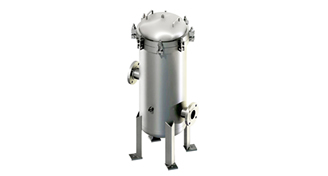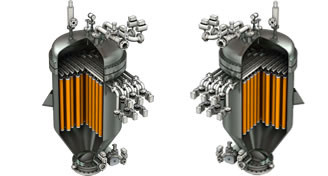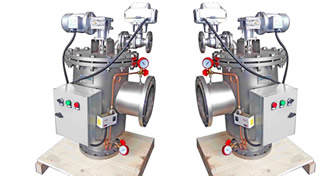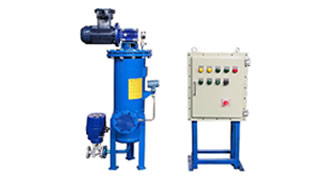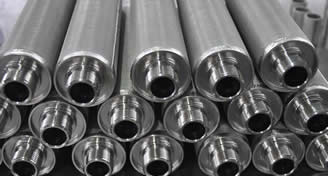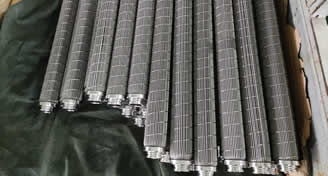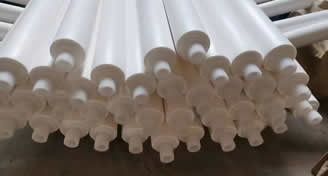
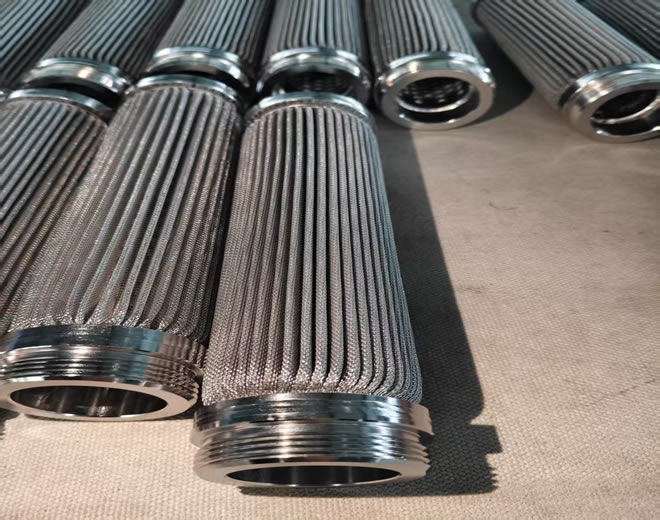
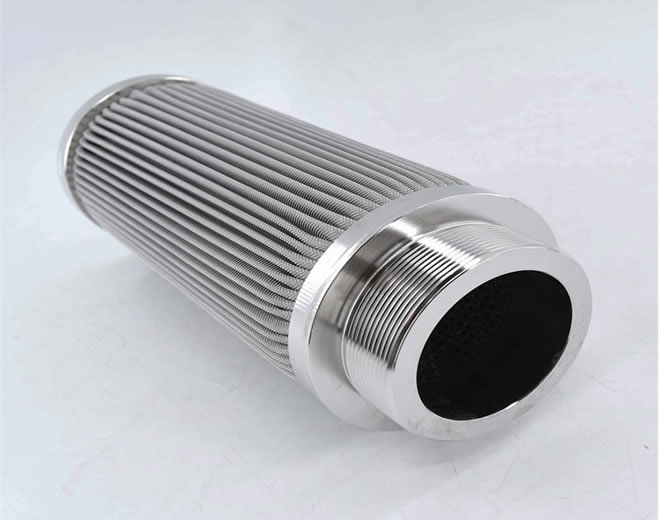
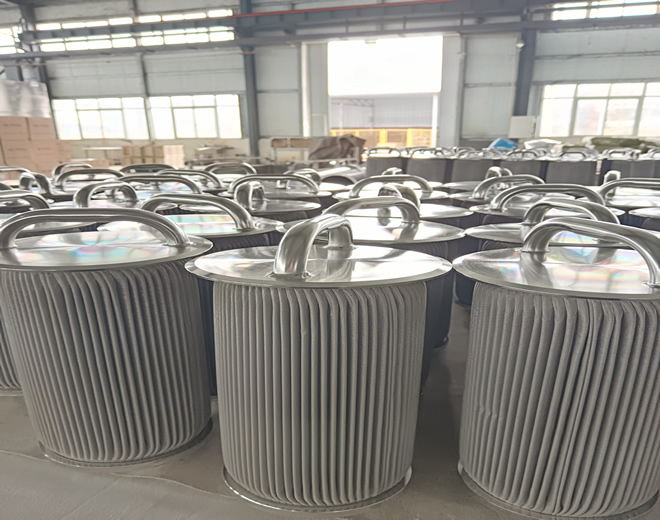
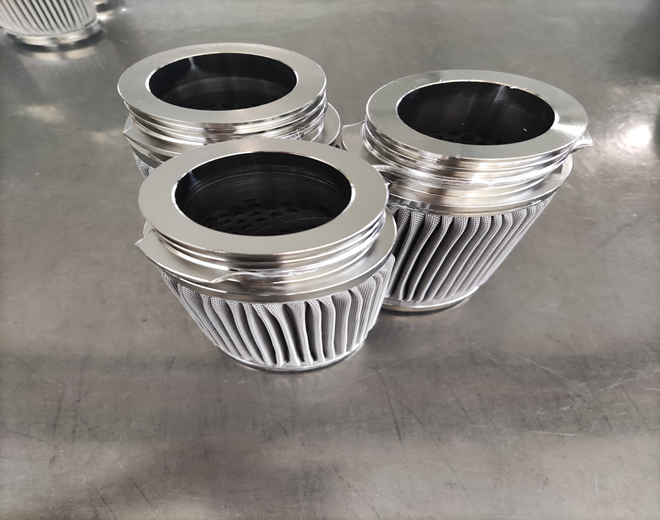
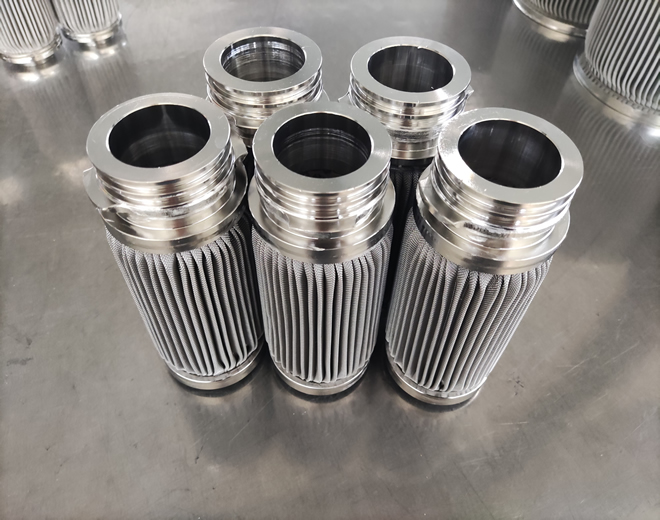
This is a specialized industrial filter component designed for treating exhaust gases from diesel engines or gas turbines. Its core material is stainless steel fiber felt, formed into a three-dimensional porous mesh structure through a high-temperature sintering process. It offers exceptionally high filtration efficiency, porosity, and mechanical strength.
High Temperature & Pressure Resistance: Can operate continuously at temperatures above 500°C (932°F) and withstand even higher transient temperatures, making it suitable for hot exhaust gases.
High-Efficiency Filtration: Effectively captures solid pollutants such as particulate matter (PM), soot, and metallic ash from exhaust streams. It is a critical component for meeting stringent emission standards (e.g., China VI, Euro 6, EPA Tier 4).
Excellent Mechanical Properties: Rigid structure, resistant to impact, vibration, and physical damage.
Corrosion Resistance: High-grade stainless steel (e.g., 316L) resists corrosion from acidic compounds (e.g., sulfates) and moisture present in exhaust gas.
Regenerability: Typically used in Diesel Particulate Filter (DPF) systems. Accumulated soot can be oxidized and removed via high-temperature combustion (regeneration), allowing the filter to be reused.
Long Service Life: Offers durable performance with proper regeneration and maintenance cycles.
Diesel Vehicle Aftertreatment Systems: Serves as the core filter media in Diesel Particulate Filters (DPF) for buses, trucks, construction machinery, and agricultural equipment.
Diesel Generator Set Emission Control: Used in stationary or mobile diesel gensets to reduce smoke and particulate emissions.
Marine Diesel Engine Exhaust Treatment: Complies with maritime emission regulations (e.g., IMO standards).
Gas Turbine Intake & Exhaust Filtration: Protects turbine blades or cleans exhaust gases.
Industrial High-Temperature Gas Purification: Suitable for processes in chemical and metallurgical industries requiring hot gas filtration.
Capture: As exhaust gas containing particulate matter flows through the micropores of the sintered felt, particles are trapped on the surface or within the depth of the media.
Accumulation: Over time, trapped particles accumulate, increasing exhaust backpressure.
Regeneration: When backpressure reaches a preset threshold, the system initiates regeneration:
Active Regeneration: Injects fuel or uses an electric heater to raise exhaust temperature above 600°C (1112°F), oxidizing stored soot into carbon dioxide.
Passive Regeneration: Utilizes nitrogen oxides (NOx) already in the exhaust with a catalyst to continuously oxidize soot at lower temperatures.
Cleaning: After regeneration, most soot is removed, restoring flow and reducing backpressure. Non-combustible metallic oxide ash remains and requires periodic manual removal (ash cleaning).
Filtration Rating: Typically 1-10 microns, capable of sub-micron filtration.
Porosity: Can exceed 80%, balancing filtration efficiency with low flow resistance.
Permeability: Directly impacts backpressure and engine performance.
Size & Geometry: Commonly cylindrical, conical, or plate-shaped, customized based on engine displacement and installation space.
Advantages:
Higher thermal and mechanical shock resistance than traditional ceramic DPFs, reducing risk of cracking.
High filtration efficiency enables ultra-low emissions.
Metallic construction offers better thermal expansion compatibility with exhaust systems.
Challenges / Considerations:
Higher Cost: Raw material and manufacturing costs are typically higher than ceramic filters.
Critical Regeneration Control: Incomplete regeneration leads to clogging; over-regeneration (excessive temperature) can damage the filter or adjacent components.
Requires Integrated System: Must work in concert with engine ECU, sensors, and fuel injection systems for controlled regeneration.
Ash Management: Requires periodic monitoring and maintenance to remove non-combustible ash deposits.