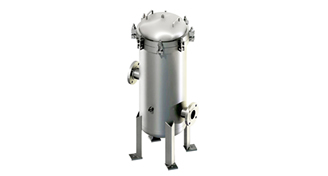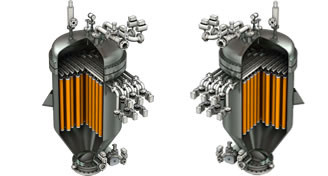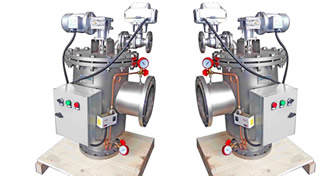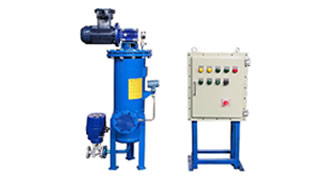
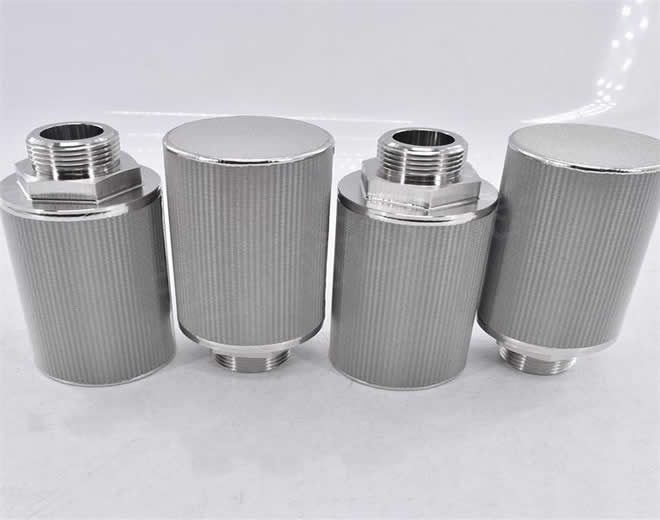
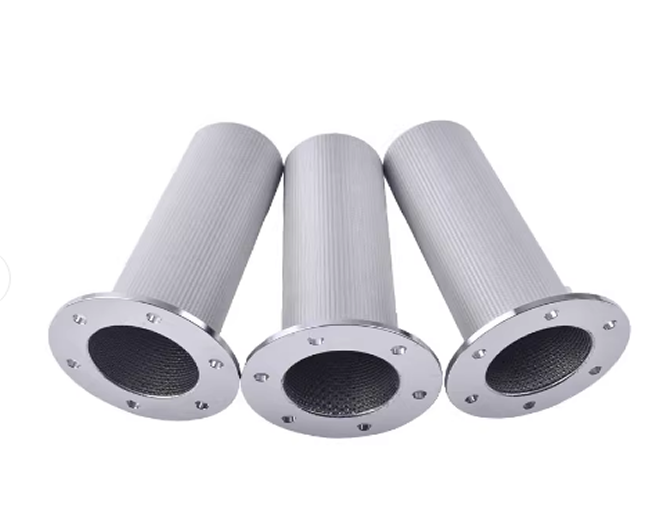
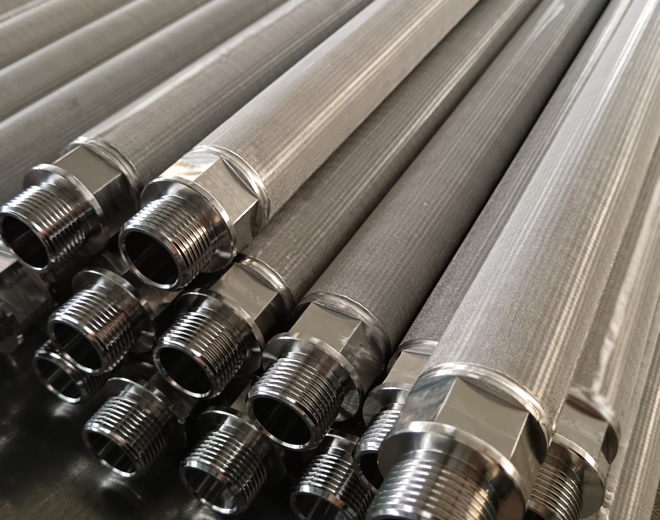
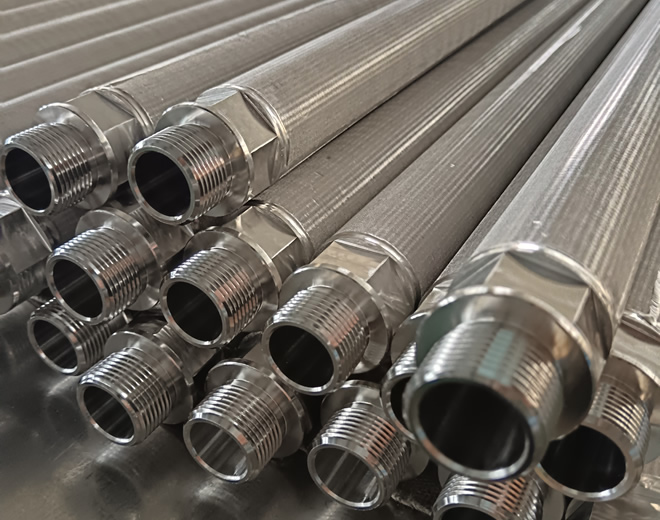
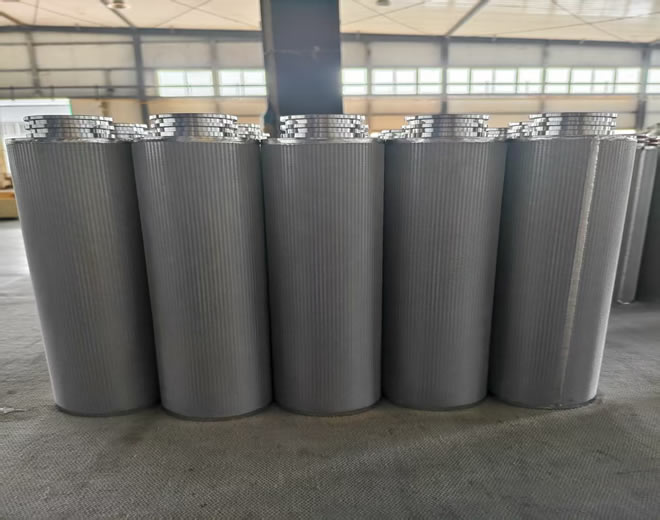
Although there is limited public literature specifically on this application, based on the high-performance characteristics of five-layer sintered mesh filter elements, we can analyze their value and typical role in treating challenging fluids like waste cooking oil.
Waste cooking oil is a complex mixture containing large food residues, fine carbonized particles, gums, water, and free fatty acids (FFAs). The primary challenge is temperature control:
Core difficulty: At room temperature, waste oil has high viscosity and poor flowability. To maintain efficient filtration, it is usually heated to 60–90 °C. However, heating can dissolve or emulsify some water-soluble impurities and gums, making separation more difficult.
Key requirement: Therefore, filter elements used for waste cooking oil must have excellent high-temperature resistance and corrosion resistance.
The material and structural properties of five-layer sintered mesh make it highly suitable for these demanding conditions.
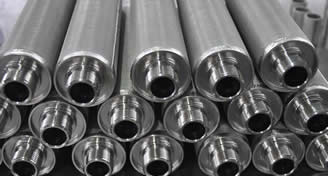
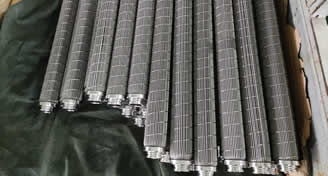
Structure: It consists of five layers of stainless steel wire mesh with different pore sizes, bonded together through high-temperature vacuum sintering. The layers typically include a protective layer, precision control layer, dispersion layer, and support layer, enabling combined surface and depth filtration.
Key advantages:
High temperature & pressure resistance: Made of SUS316L or other stainless steel grades, it operates from –200 °C to 650 °C and withstands working pressures of 0.4–0.6 MPa or higher.
High precision: Filtration accuracy ranges from 1 to 200 µm (some products can go lower), effectively removing solid particles.
High mechanical strength: The sintering process creates a rigid structure that resists deformation and damage.
Regenerable: The surface-filtration design allows backwashing, chemical cleaning, or ultrasonic cleaning for repeated use without significant loss of efficiency.
Five-layer sintered mesh filter elements can be integrated at various stages of waste oil purification. A typical process is outlined below:
Stage 1 – Coarse filtration
Equipment examples: 20–40 mesh (approx. 420–840 µm) coarse strainer or basket filter.
Function: Remove large solids such as bone fragments, vegetable pieces, and rice grains.
Goal: Protect downstream equipment and reduce load on finer filters.
Stage 2 – Fine filtration
Equipment examples: Five-layer sintered mesh filter element (25–100 µm precision).
Function: Remove most suspended solids (coked particles, fine food residues), gums, and assist oil‑water separation at the operating temperature.
Goal: Produce relatively clean crude oil.
Stage 3 – Refining / polishing
Equipment examples: Sintered mesh elements (0.5–5 µm), possibly combined with activated carbon adsorption or membrane separation.
Function: Remove trace solids, colloids, color bodies, and some heavy metals to meet high-quality industrial raw material standards.
Goal: Produce refined oil for further use (e.g., biofuel feedstock).
Recommendations:
For waste oil with very high suspended solids, install coarse filtration or sedimentation equipment before the fine filtration stage to extend filter life.
When the sintered mesh filter becomes clogged, regenerate it using backwashing (high-pressure air or liquid) or ultrasonic cleaning to reduce operating costs.
Backwashing strategy: Use a pulsed backwash system. Typically, cleaning is triggered when the differential pressure reaches ~0.3 MPa.
Material choice: For food‑grade or pharmaceutical‑grade purification downstream, SUS316L is strongly recommended.
Installation environment: In high‑temperature, high‑humidity conditions, consider corrosion protection and thermal insulation for the filter housing.
The high-temperature resistance, mechanical strength, and precision of five-layer sintered mesh filter elements make them a robust and efficient choice for critical filtration steps in waste cooking oil treatment. They help transform a problematic waste stream into a cleaner industrial resource.