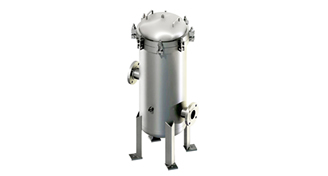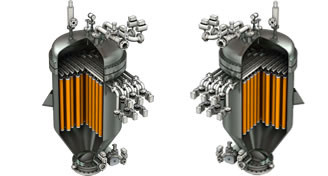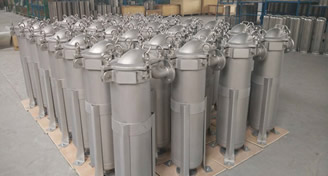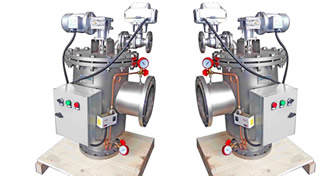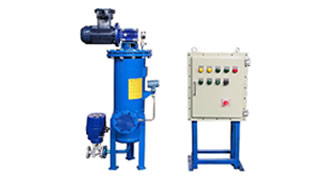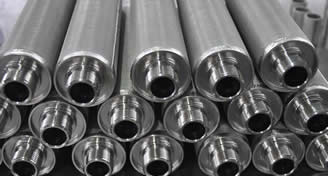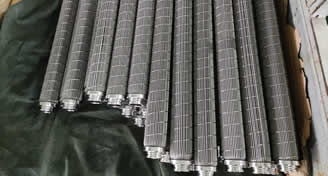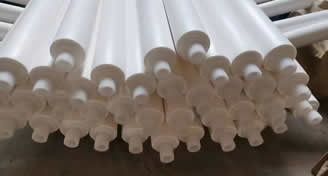
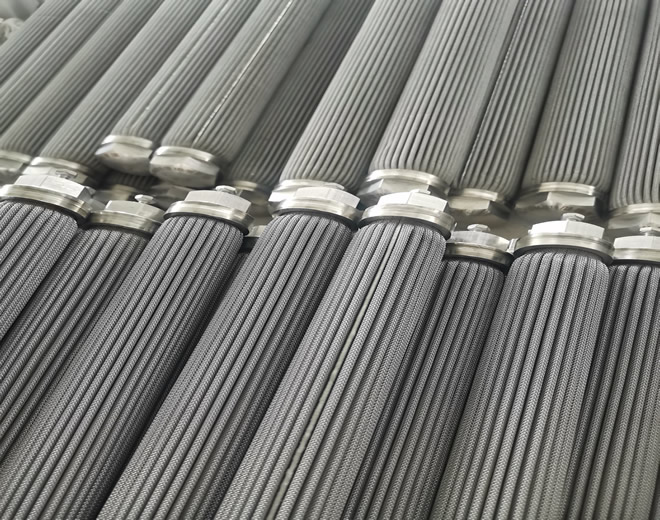
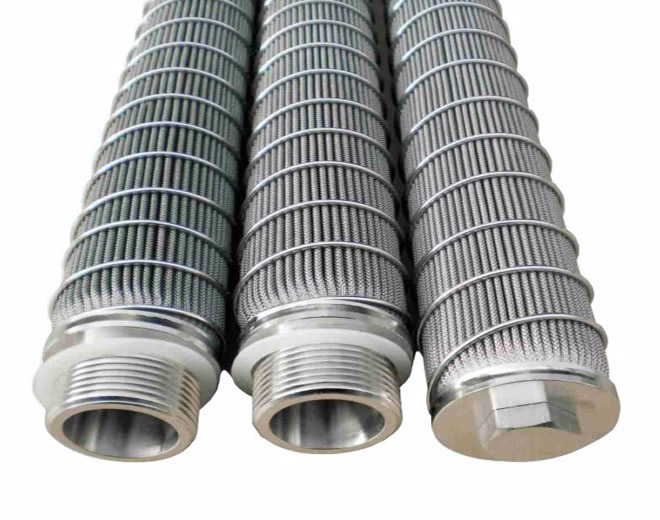
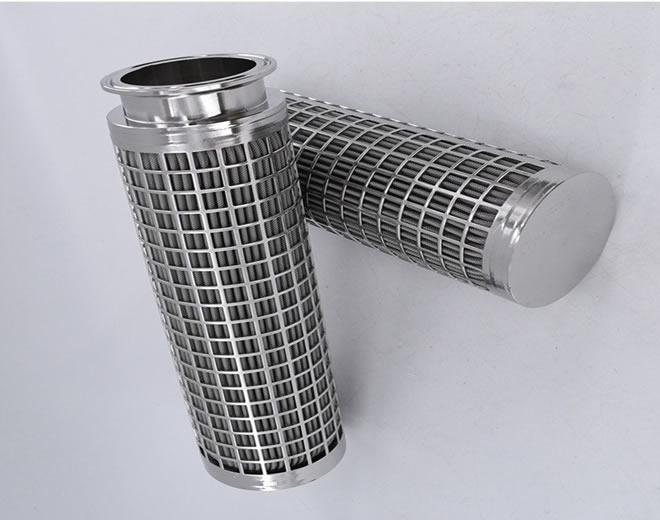
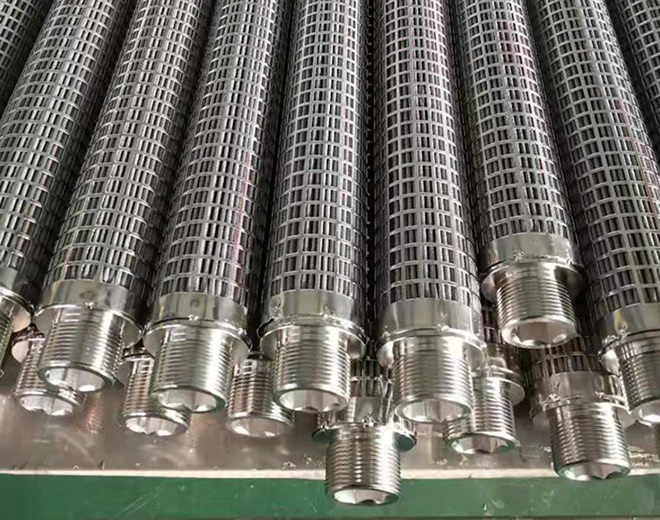
A polymer stainless steel melt filter cartridge is a high-performance component specifically designed for precision filtration of high-temperature, high-pressure, high-viscosity melts (e.g., plastics, rubber, chemical fibers). Its core function is to remove impurities such as gels and carbonized particles from the melt, ensuring product purity and subsequent process stability.
Stainless steel is the primary and preferred material for such filter cartridges, mainly 304 and 316L stainless steel. 316L is the most widely used due to its excellent corrosion resistance. For extreme chemical corrosion and high temperatures (up to 400°C), special alloys such as Hastelloy or Inconel are employed.
Based on the manufacturing process of the filtration media, two main types are available:
Stainless steel fiber sintered felt cartridge
Made from micron-sized stainless steel fibers via non-woven laying and high-temperature sintering. It features a three-dimensional porous structure with high porosity (70%–90%), strong dirt-holding capacity, good air permeability, low flow resistance, and can be repeatedly cleaned and regenerated. Its depth filtration mechanism effectively removes gels and carbonized particles—suitable especially for chemical fiber spinning.
Stainless steel wire mesh cartridge
Made from different mesh sizes of woven stainless steel wire. It offers uniform pore size, smooth channels, high strength, easy cleaning, and no mesh shedding. It is more suitable for surface filtration and easy backwashing.
In terms of structural configuration, stainless steel melt filter cartridges mainly include:
Pleated type – Increased filtration area by folding; the most common form in chemical fiber and plastic industries.
Disc type – Disc-shaped structure, often used in film and packaging material production.
The basic principle utilizes the interception effect of porous media combined with depth filtration mechanism to purify the melt. When the high-temperature, high-pressure melt flows through the cartridge, impurity particles are trapped in the deep layers or on the surface, thus achieving purification. Many products adopt a multilayer gradient structure (from coarse to fine) to significantly improve dirt-holding capacity and service life.
Based on the above, stainless steel melt filter cartridges offer the following core advantages:
High temperature & pressure resistance – Continuous operation at 200°C to over 400°C and tens of MPa, with stable performance.
High filtration precision – Precision range from 2 μm to 200 μm (or wider), meeting various process requirements.
Low flow resistance & high throughput – Optimized porous structure maintains melt fluidity and improves production efficiency.
Long life & regenerability – All-stainless steel construction allows repeated regeneration via ultrasonic cleaning, high-temperature calcination, chemical cleaning, lowering long-term costs.
Stainless steel melt filter cartridges are critical components in polymer processing. Almost any process that involves melting and forming solid polymers relies on these cartridges to ensure product quality. Key applications include:
Chemical fiber spinning – PET, PA6/PA66, PP melt spinning to remove gels and carbonized particles, preventing spinneret clogging and ensuring fiber uniformity.
Plastic extrusion & pelletizing – Blown film, sheet, pipe, cable compound production, protecting precision dies and eliminating surface defects like gels and fisheyes.
Polymer recycling & compounding – Filtration during recycling of post‑consumer plastics (e.g., rPET) to remove stubborn impurities and ensure recyclate quality.
Other high-demand fields – High-end injection molding, hot-melt adhesives, optical films, lithium battery separators, 3D printing materials, etc.
Selecting the right filter cartridge requires considering the following key factors:
Define process requirements – Medium type (PP, PET, PA, etc.), viscosity, operating temperature and pressure.
Determine filtration precision – The most critical parameter, depending on final product quality and raw material purity. In general: chemical fiber spinning is the most demanding (1–20 μm), plastic extrusion is medium (50–200 μm).
Calculate flow rate & pressure drop – Based on production line throughput, determine the number and size of cartridges to keep total pressure drop within acceptable limits while maintaining flow.
Confirm connection & installation – Match the connection type to the existing equipment (e.g., screen changer, melt pump).