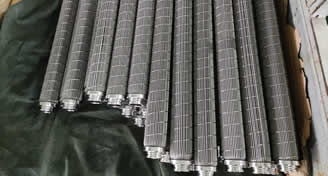
In the lubricating oil industry, maintaining oil cleanliness is critical for ensuring long-term stable equipment operation, reducing wear, and extending oil change intervals. Stainless steel wire mesh pleated filter elements, serving as efficient, durable, and reusable filtration components, play a vital role. Their core application principle is physical sieving, which traps solid contaminants through precise pore sizes.
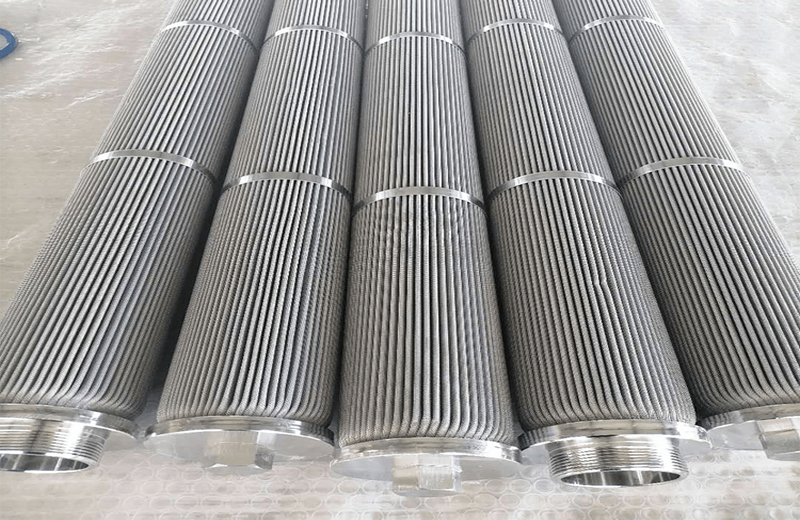
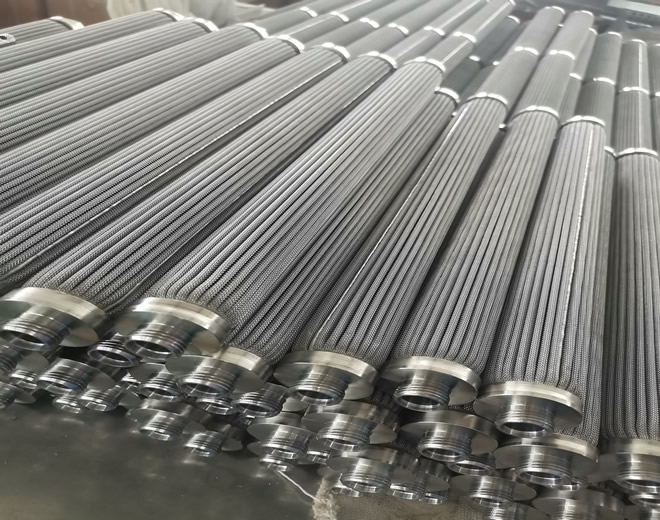
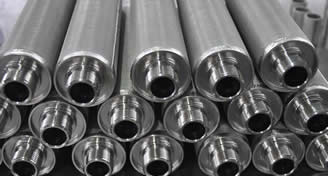
Pleated Design: Multiple layers of stainless steel wire mesh are compacted into a tight corrugated (pleated) structure. This design maximizes the effective filtration area within a limited filter volume, thereby ensuring high flow rates with low pressure drop.
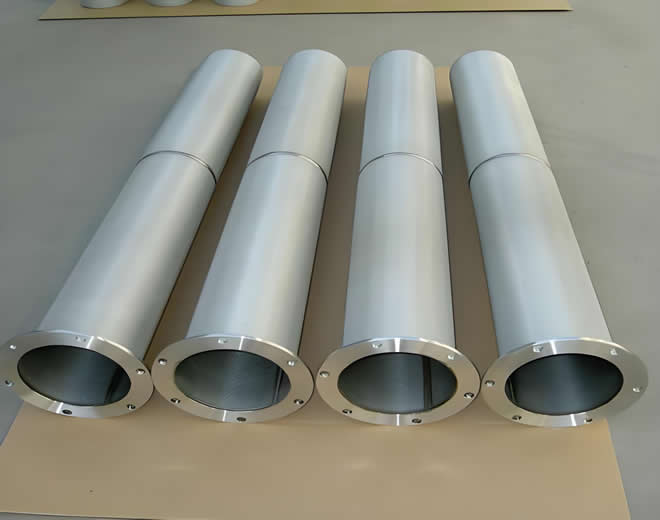
Material Properties: Made from high-quality stainless steel such as 304 or 316L, these filters offer excellent corrosion resistance, high temperature/pressure tolerance, and mechanical strength, making them suitable for harsh lubricant operating conditions.
Filtration Rating Range: Typically available in ratings from 1 micron to 100 microns. The selection depends on the protection requirements of downstream equipment. For instance, hydraulic systems may require 5 microns, while gearboxes might only need 25 microns.
High Strength: Capable of withstanding high differential pressure, they are resistant to media migration or structural collapse (compared to traditional cellulose filters) and do not introduce secondary contamination.
New Oil Fill Filtration:
How it's used: Oil passes through a filtration unit equipped with a stainless steel mesh filter before being pumped into equipment reservoirs or central lubrication systems.
Purpose: To remove particles, packaging fibers, dust, and other contaminants that may have been introduced during transportation, storage, or handling of new oil. This is the most cost-effective step for contamination control, ensuring "clean oil at entry."
Online Recirculation Filtration (Bypass or Main Line Filtration):
How it's used:
Main Line Filtration: Installed at the pump outlet to directly protect critical downstream components like bearings and gears.
Bypass Filtration: Operates independently from the main lubrication system. It continuously draws a portion of oil from the reservoir, purifies it, and returns it. This is the most common application for maintaining oil cleanliness 24/7.
Purpose: To continuously remove wear particles (e.g., metal fines), seal degradation debris, and externally ingested contaminants, maintaining the target oil cleanliness level (e.g., ISO 4406).
Oil Reclamation and Recycling:
How it's used: Serves as a crucial solid-liquid separation stage in processes such as dehydration, impurity removal, or pre-treatment of used oil before recycling. Often used in combination with coalescing separators, vacuum dehydrators, etc.
Purpose: To remove large particulate matter, protecting subsequent fine filtration equipment or adsorbents, extending their service life, and improving the quality of reclaimed oil.
Critical Equipment Protection:
How it's used: Installed upstream of components extremely sensitive to contamination, such as servo valves, proportional valves, and hydrostatic bearings.
Purpose: Provides a final defense line, preventing valve spool sticking, wear, and failure caused by individual particles, thereby avoiding costly downtime.
Advantages:
Long Service Life & Cost-Effectiveness: Can be cleaned (via back-flushing, ultrasonic cleaning, baking, etc.) and reused multiple times, offering a lower long-term cost compared to disposable filters.
Environmental Friendliness: Reduces solid waste generation, aligning with green manufacturing principles.
High Reliability: No media migration, stable performance, and resistant to damage from fluid compatibility issues or pressure surges.
Strong Adaptability: Suitable for high-viscosity lubricants (e.g., gear oils, rolling oils) and high-temperature environments.
Key Considerations:
Initial Investment: The unit cost per filter element is higher than that of a disposable filter of similar rating.
Cleaning Requirements: Requires established procedures for cleaning, inspection, and retirement. Incomplete cleaning compromises subsequent performance.
Precision Limitation: For ultra-fine filtration requiring sub-micron ratings (e.g., <1 micron), stainless steel mesh filters are typically used as a pre-filter in conjunction with depth media (e.g., cellulose, glass fiber) filters.
Differential Pressure Monitoring: A differential pressure gauge is essential. When the element becomes clogged and the ΔP reaches a set limit, it should be cleaned or replaced promptly to avoid element collapse or insufficient system flow.
Taking the bypass filtration system for gearbox oil in a large wind turbine as an example:
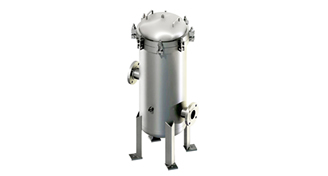
Installation: An independent filter station, centered around a stainless steel wire mesh pleated filter element (e.g., 10-micron rating), is installed on the gearbox reservoir.
Operation: A small pump draws oil from the bottom of the reservoir, passes it through the filter element to capture metal wear particles and debris, and returns clean oil to the top of the reservoir.
Monitoring: A differential pressure gauge indicates filter loading. An alarm triggers when ΔP increases.
Maintenance: During shutdown, the filter element is removed, thoroughly cleaned using specialized solvents and ultrasonic cleaners, dried, and inspected for integrity. If it passes inspection, it is reinstalled. It can often be reused 5-10 times or more until structural damage or performance degradation occurs.
Result: Continuously maintains oil cleanliness, significantly extends gear and bearing life, reduces unplanned downtime, and ultimately extends the lubricant's service life.