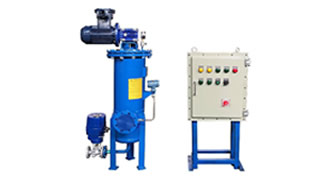
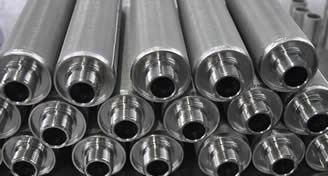
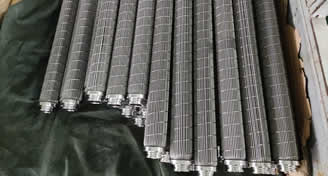
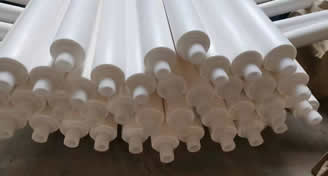
A filter element works like a sieve: it keeps out what you don't want and lets through what you do. The quality of the element directly affects your plant's production schedule and its cost. Judge an element on the following points:
1. Material
No material is inherently better than another — the one that fits your application is the right one. For air and tap water filtration, food and beverage duty, or ordinary indoor atmospheric-pressure service, 304 stainless steel is a suitable choice, mainly because it has a price advantage. For brackish water, chemical solvents and similar high-temperature environments, 316 stainless steel is required to meet the duty. In extremely aggressive conditions — seawater desalination, high-salinity wastewater and other strongly corrosive liquids — you need duplex stainless steel 2205, which costs considerably more.
2. Scientific structure
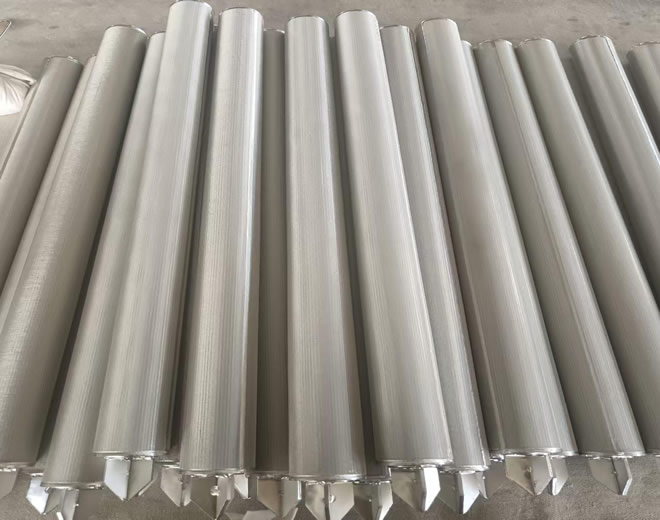
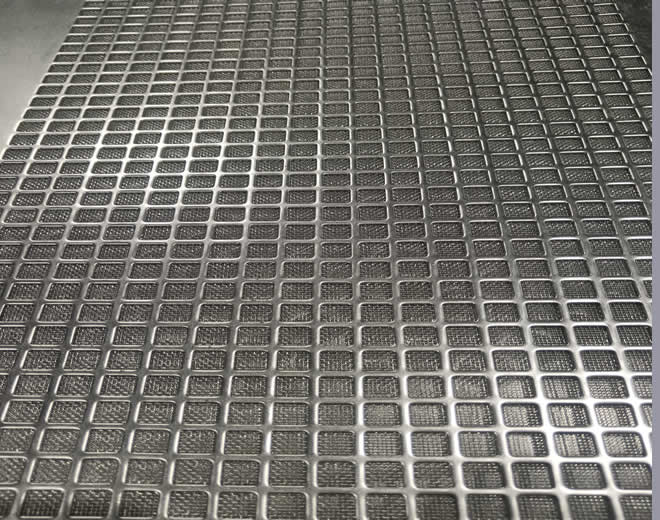
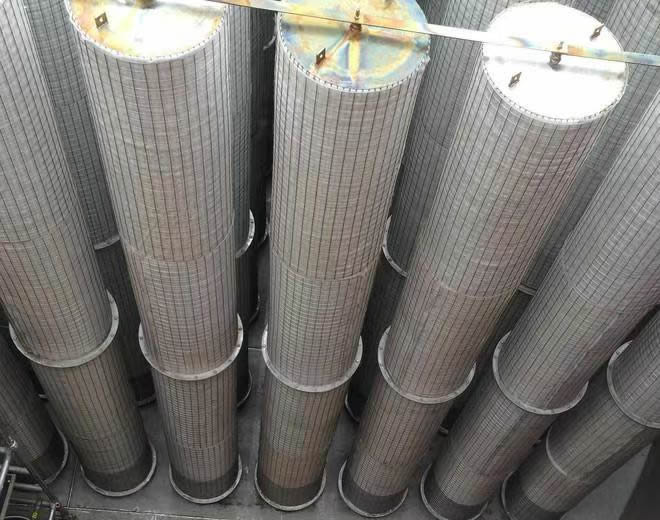
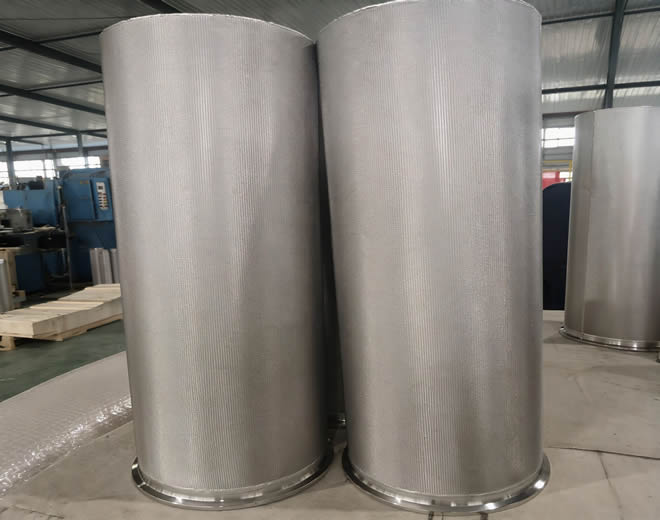
Pleated, hollow cylindrical, basket-type, bag-type — the full range of structures is available, and Xinxiang Zhongbang can genuinely produce to your specific requirements.
3. Strength
Once the material is chosen, strength is handled by adding inner and outer support cages to give the element all the rigidity it needs. Whether a cage is required depends on your own strength specification.
4. After-sales service
Incoming materials are inspected. For customised elements, a dedicated engineering team supports you through the technical questions. After production, our QC department runs bubble point tests, visual inspection and pressure testing, and can issue the corresponding inspection reports.
Choose your filter element on these four grounds, and you will end up with one you are satisfied with.