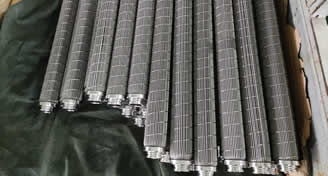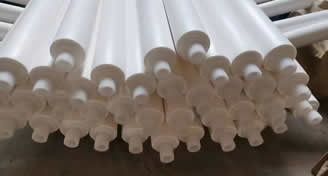
Performance Characteristics of High-Temperature Sintered Mesh Filter Cartridges
High-temperature sintered mesh filter cartridges are highly efficient filtration elements. Their core performance lies in excellent high-temperature resistance, extremely high filtration efficiency, and good cleanability/regenability. They can stably control outlet dust emission concentration below 5 mg/Nm³, with filtration efficiency exceeding 99.99%.
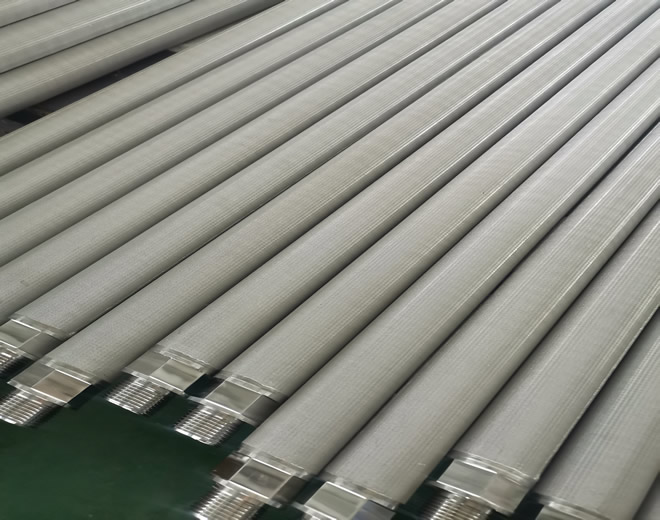
Below is a detailed comparison of performance indicators:
| Performance Indicator | Typical Range / Value | Remarks |
|---|---|---|
| High-Temperature Resistance | 300°C – 1100°C | Depends on material grade |
| Filtration Accuracy | 0.5μm – 300μm | Meets various fine filtration needs |
| Filtration Efficiency | > 99.99% | Excellent capture of micro‑dust |
| Porosity | > 50% | Ensures good air permeability |
Base Temperature Resistance: Mainly made of stainless steel (SS 304, SS 316L), standard products withstand up to 600°C; some operate stably between 300°C and 816°C.
Ultimate Resistance: Special alloy grades can reach up to 1100°C for extremely harsh conditions.
Structural Integrity: Remains stable under ultra‑high temperatures, avoiding the deformation/failure common with traditional fabric bags.
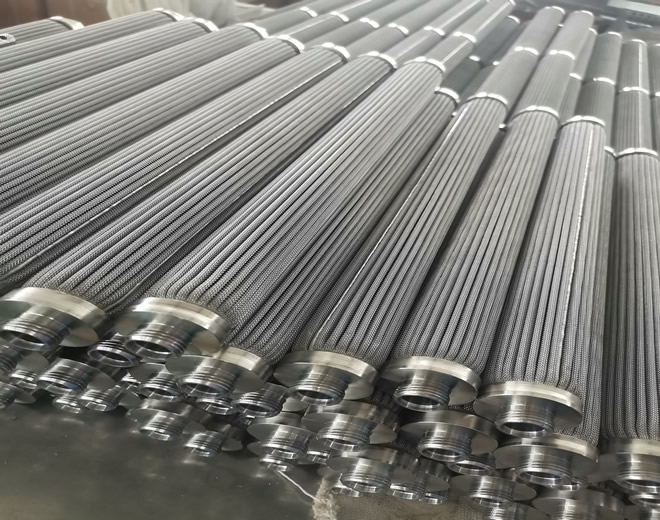
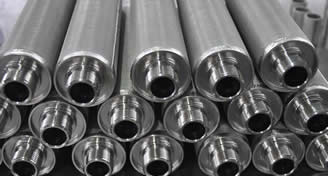
High Precision Filtration: Multi‑layer sintered metal mesh structure (typically five layers) forms a uniform 3D micro‑porous channel that effectively captures sub‑micron dust.
Low Emission: Some products achieve absolute filtration accuracy down to 0.3 μm, with outlet emissions ≤ 5 mg/Nm³ – near‑zero emission levels.
Low Differential Pressure: High porosity minimises airflow resistance; pressure drop can be kept very low (e.g., down to 50 Pa), saving energy.
Strong Regeneration: Smooth surface, combined with high‑pressure pulse jet cleaning, allows easy dust cake detachment – clean‑in‑place is highly effective.
Reusable / Washable: Besides pulse cleaning, deep cleaning by chemical soaking, ultrasonic bath, or water washing restores performance. Service life typically exceeds 2 years, sometimes several years.
High Strength: All‑metal rigid structure, resistant to high pressure, impact, abrasion, and mechanical vibration – not easily damaged.
Chemical Stability: Stainless steel offers excellent corrosion resistance, suitable for flue gases containing acids, alkalis, or chlorides.
Advantages:
Can replace traditional non‑woven filter bags without major modifications to existing dust collectors – easy retrofit.
Stable filtration precision, inherently anti‑static – safe for explosive dusts.
Better total cost of ownership over the full life cycle despite higher initial cost.
Limitations:
Higher upfront cost than ordinary bag filters.
Heavier weight requires stronger support structures and lifting equipment.
For extreme temperatures or special chemical corrosion, higher‑grade alloys increase cost.
Sintered mesh filter cartridges are widely used in harsh industrial dust collection:
Coal‑fired power plants
Waste‑to‑energy / incineration plants
Cement kilns
Iron & steel making (blast furnaces, converters)
Chemical plants, glass & ceramic furnaces
Selection advice:
Customise based on operating temperature, dust characteristics, gas flow, and emission limit.
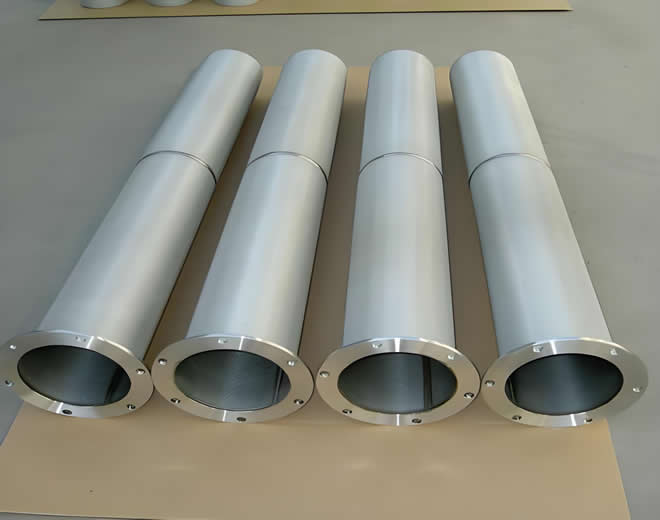
Interface types: flange, thread, 222/226 standard connections – must match existing system.
Sintered felt (higher dirt‑holding capacity, cost‑effective) vs. sintered mesh (higher precision, stable structure, easier to clean) – choose according to priority.
In summary, sintered mesh filter cartridges excel in high‑temperature resistance, high efficiency, low pressure drop, and reusability. Their value lies not only in meeting strict environmental standards but also in long‑term, trouble‑free operation with lower overall costs.