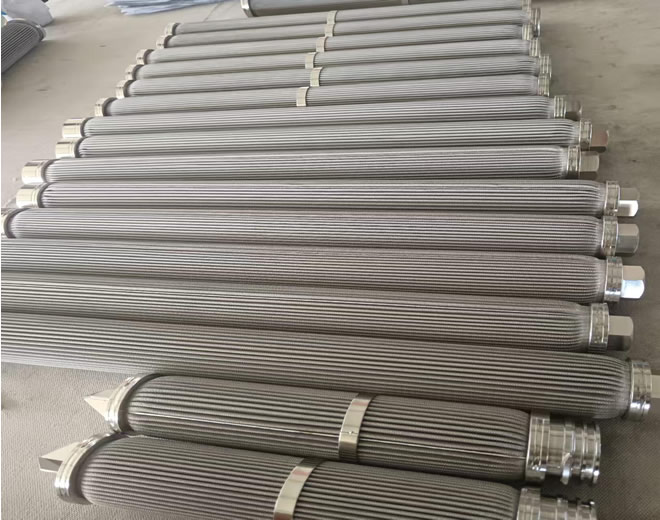
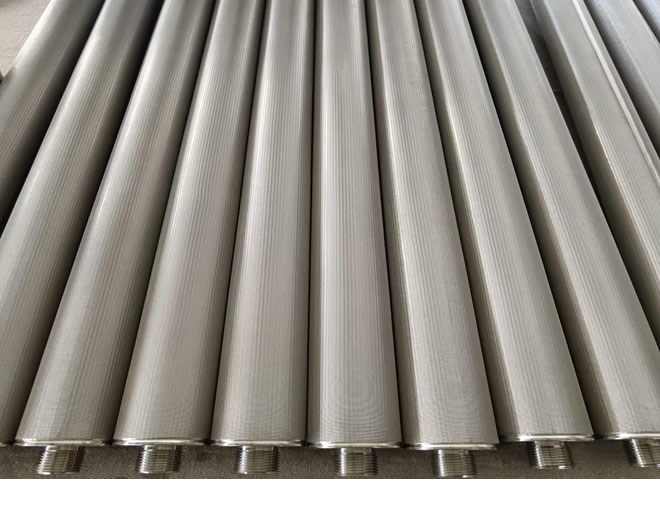
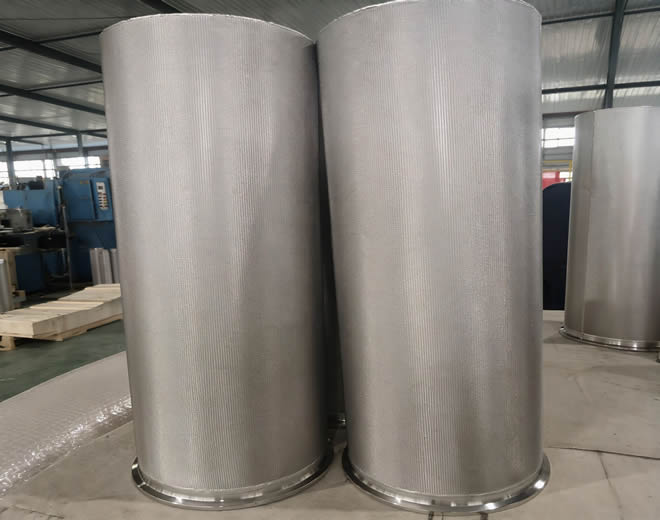
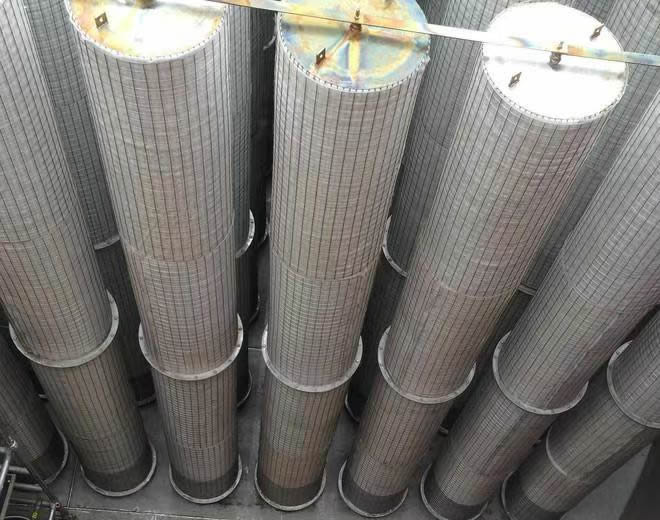
In the filtration industry you keep hearing both names — sintered mesh filter cartridges and sintered metal fiber felt filter cartridges. So what actually differs between them? Neither one is better than the other; there is only the question of which one suits your duty.
1. The structure is different
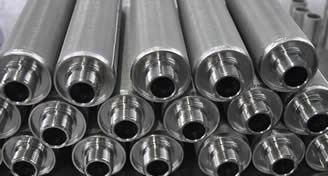
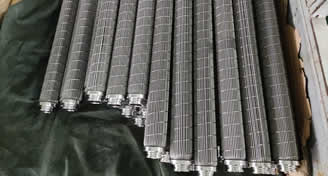
Sintered mesh is normally a five-layer laminate, made up of a protective layer, a filtration layer, a separation layer and a support layer. This filter media combines uniform, stable filtration rating with comparatively high strength and rigidity, which makes it a suitable choice where pressure resistance and a consistent filtration grade both matter. Sintered metal fiber felt is produced from metal fibres of micrometre diameter, randomly laid, stacked and bonded by high-temperature sintering. In one line: mesh gives you more regular openings, felt gives you a tortuous fibre pore network.
2. The filtration mechanism is different
A sintered mesh cartridge works closer to surface filtration — most of the contaminant is intercepted at or near the mesh surface. It suits precision filtration duties with a defined pore size and cleanliness requirements, and services with repeated reverse washing. Sintered metal fiber felt works closer to depth filtration: contaminant enters the media and is trapped and held inside the tortuous pore channels. It has a higher dirt-holding capacity and a comparatively gradual differential-pressure rise, so it suits heavy contaminant loads, more viscous fluids, or duties where separation has to be combined with filtration.
3. The cleaning considerations are different
On systems that backwash frequently, cleaning effectiveness is easier to evaluate on mesh elements. Where the fouling is depth-type fouling, confirm the cleaning method for felt elements before you commit.
4. How to choose
Weigh your medium, how much contaminant you carry, whether frequent backwashing is required, and whether the differential pressure and the mechanical support are adequate. Choose on those grounds and you will land on the right element.