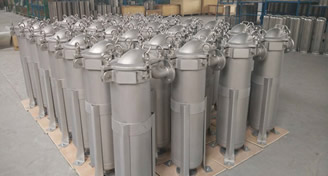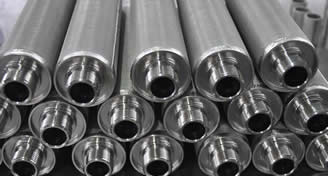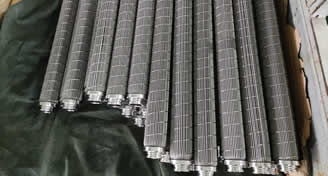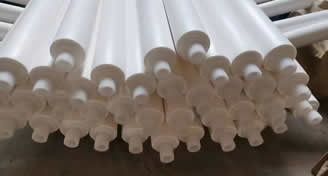
For industrial operations relying on stainless steel filter elements, the question of cleaning methods is critical. These components represent significant capital investments, and proper maintenance directly impacts both filtration performance and operational costs. Among the various cleaning techniques available, ultrasonic cleaning stands out as one of the most effective—but is it safe for stainless steel filter elements?
The short answer is yes. Stainless steel filter elements can be ultrasonically cleaned, and when performed correctly, this method offers superior results compared to alternative cleaning approaches. However, understanding the proper techniques, limitations, and potential risks is essential for achieving optimal outcomes without damaging your valuable filtration equipment.
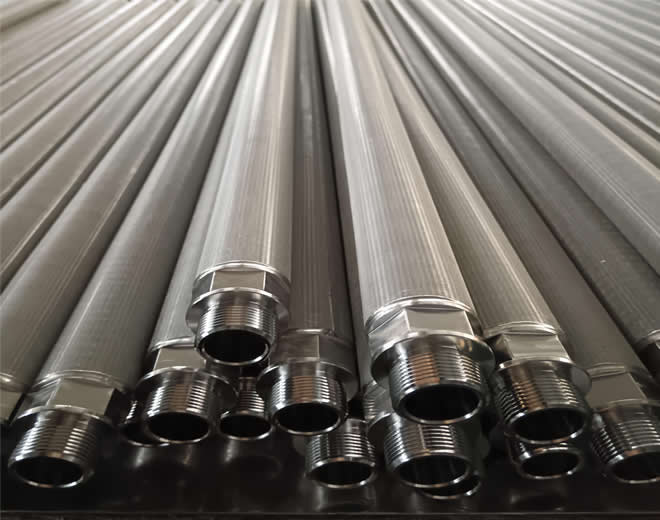
Ultrasonic cleaning uses high-frequency sound waves—typically between 20 and 400 kHz—to generate microscopic cavitation bubbles in a cleaning solution. These bubbles implode with tremendous energy, creating intense scrubbing action that dislodges contaminants from even the most intricate surfaces.
For stainless steel filter elements, this technology proves particularly effective because:
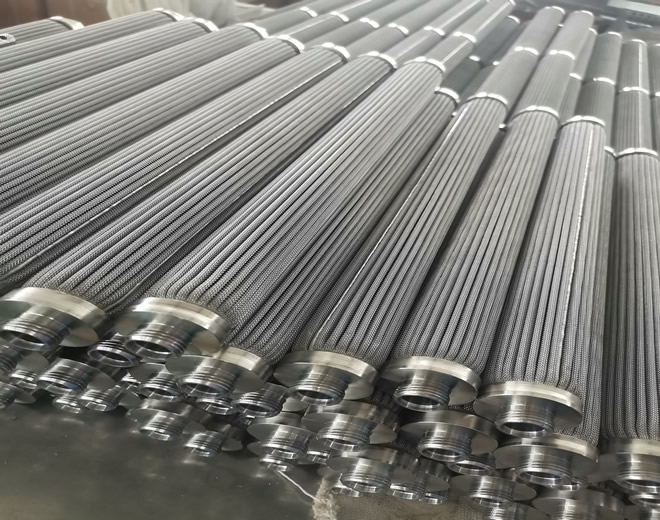
Complex geometries: Filter elements often feature pleated designs, woven mesh layers, or sintered porous structures that are impossible to clean thoroughly with mechanical methods
Deep contamination: Particles embedded within the filter media layers can be reached by cavitation energy
Non-abrasive: Unlike brushing or scraping, ultrasonic cleaning removes contaminants without damaging the delicate filter media structure
Stainless steel's material properties make it exceptionally well-suited for ultrasonic cleaning:
Durability: Stainless steel can withstand the intense cavitation energy without degradation. Unlike polymer filters that may crack, swell, or soften under ultrasonic exposure, stainless steel maintains its structural integrity through hundreds of cleaning cycles.
Corrosion resistance: High-quality 304 and 316L stainless steel resist the cleaning solutions typically used in ultrasonic systems, including mild acids, alkaline detergents, and aqueous degreasers.
Temperature tolerance: Ultrasonic cleaning often involves heated solutions (typically 50-80°C). Stainless steel handles these temperatures effortlessly, whereas some other materials may deform or lose precision.
To achieve optimal results while protecting your stainless steel filter elements, follow these established procedures:
Remove visible bulk contaminants with a gentle water rinse
Inspect the element for any existing damage
Select appropriate cleaning solution based on contaminant type (aqueous detergents for oils, mild acids for scale, etc.)
| Parameter | Recommended Range | Notes |
|---|---|---|
| Frequency | 25-40 kHz | Lower frequencies for heavier contaminants; higher for delicate cleaning |
| Temperature | 50-70°C | Higher temperatures improve cleaning efficiency but stay within solution specifications |
| Duration | 5-30 minutes | Longer cycles for heavily contaminated elements; avoid excessive exposure |
| Power density | 10-50 watts/gallon | Adjust based on contaminant load and element sensitivity |
Rinse thoroughly with clean water to remove residual cleaning solution
Perform integrity testing if precision filtration is critical
Allow complete drying before storage or reinstallation
Document cleaning cycles for maintenance records
Ultrasonic cleaning is suitable for virtually all stainless steel filter element types:
Sintered mesh laminates: Multi-layer sintered structures clean exceptionally well
Pleated stainless steel mesh: Cavitation energy penetrates pleat valleys effectively
Woven wire mesh: Lattice structures release trapped particles completely
Sintered powder metal: Porous structures benefit from deep-penetrating cleaning action
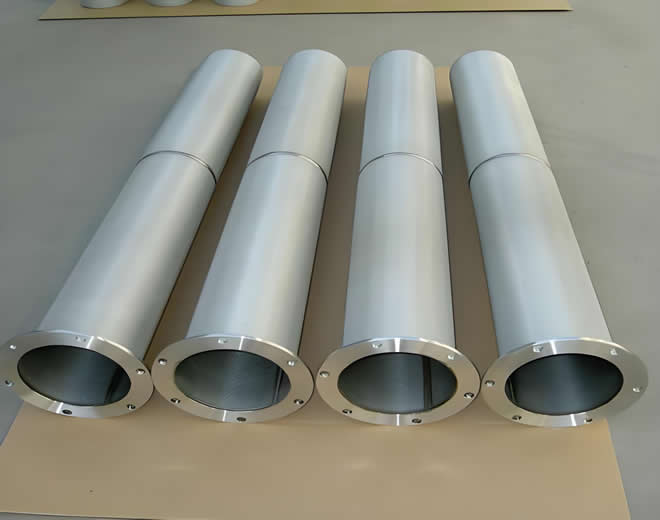
Perforated sheet cores and end caps: Supporting components are unaffected by the process
While ultrasonic cleaning is generally safe for stainless steel filters, certain precautions protect your investment:
Avoid with welded assemblies showing fatigue: If your filter element has existing weld cracks or significant mechanical damage, ultrasonic energy may accelerate failure. Inspect thoroughly before cleaning.
Never mix dissimilar metals: Cleaning different metal types together can cause galvanic corrosion. Clean stainless steel elements separately from other materials.
Select appropriate cleaning solutions: Avoid solutions containing chlorides or strong halogens, which can cause pitting corrosion in stainless steel. Neutral or mildly alkaline detergents are typically safest.
Consider frequency sensitivity: Very fine mesh (below 10 micron) or delicate sintered structures may require higher frequencies (80-130 kHz) to prevent potential media damage from overly aggressive cavitation.
Not for all contaminants: Hard carbon deposits or baked-on polymers may require chemical pre-soaking before ultrasonic cleaning proves effective.
Selecting the correct ultrasonic frequency significantly impacts cleaning effectiveness and safety:
| Filter Type | Recommended Frequency | Rationale |
|---|---|---|
| Coarse mesh (>100 micron) | 20-25 kHz | Aggressive cavitation removes heavy contaminants |
| Standard industrial filters (10-100 micron) | 25-40 kHz | Optimal balance for most applications |
| Fine mesh and sintered (<10 micron) | 40-80 kHz | Gentler cleaning prevents media damage |
| Precision absolute-rated elements | 80-130 kHz | Maximum protection for critical components |
| Method | Effectiveness | Risk of Damage | Time Required | Cost |
|---|---|---|---|---|
| Ultrasonic cleaning | Excellent | Low (when done correctly) | Short | Medium |
| Backflushing | Moderate | Low | Short | Low |
| Chemical soaking | Moderate to Good | Medium | Long | Medium |
| Manual brushing | Poor to Moderate | High | Long | High (labor) |
| High-pressure water jet | Moderate | Medium to High | Short | Medium |
| Method | Effectiveness | Risk of Damage | Time Required | Cost |
|---|---|---|---|---|
| Ultrasonic cleaning | Excellent | Low (when done correctly) | Short | Medium |
| Backflushing | Moderate | Low | Short | Low |
| Chemical soaking | Moderate to Good | Medium | Long | Medium |
| Manual brushing | Poor to Moderate | High | Long | High (labor) |
| High-pressure water jet | Moderate | Medium to High | Short | Medium |
Ultrasonic cleaning is one of the most effective methods for maintaining stainless steel filter elements. When performed with correct parameter settings, appropriate cleaning solutions, and proper procedures, this method thoroughly removes contaminants while preserving the structural integrity and filtration precision of the filter element.
Regular ultrasonic cleaning can significantly extend the service life of stainless steel filter elements, typically allowing them to withstand over 100 cleaning cycles while maintaining performance. This not only reduces replacement costs but also minimizes system downtime associated with frequent filter changes.
For stainless steel filter elements operating in demanding conditions—high temperatures, high pressures, or corrosive environments—ultrasonic cleaning often represents the optimal choice for maintaining long-term filtration precision. When handled correctly, the structural advantages of stainless steel enable repeated ultrasonic cleaning cycles, delivering consistent and reliable filtration performance over time.